Get Blown In Insulation Service
Blown In Insulation Service helps property owners improve energy efficiency and comfort by providing insulation installation or upgrading for attics, walls, and other spaces.
Blown-in insulation services are a practical solution for property owners looking to improve energy efficiency and comfort. Whether upgrading an existing insulation system or insulating a new construction, many local contractors offer expertise in installing this versatile and effective insulation method. Exploring your options can help ensure the work is handled properly, contributing to better temperature regulation and potential savings over time.
For property owners in the area, comparing local service providers can provide valuable insights into the different approaches and levels of experience available. Planning a project around insulation can be a strategic step toward enhancing a property's overall performance. Keep reading to learn how local contractors can assist in meeting your insulation needs with professional, reliable services.
- Attic Insulation - homeowners seeking to improve energy efficiency often need blown-in insulation for attics.
- Wall Insulation - property owners looking to enhance thermal performance may require blown-in insulation for wall cavities.
- New Construction Insulation - builders and developers planning new builds might need blown-in insulation to meet energy standards.
- Remodeling Projects - renovations that involve adding or upgrading insulation can benefit from blown-in services.
- Attic Air Sealing - those experiencing drafts or high energy bills may need blown-in insulation combined with air sealing solutions.
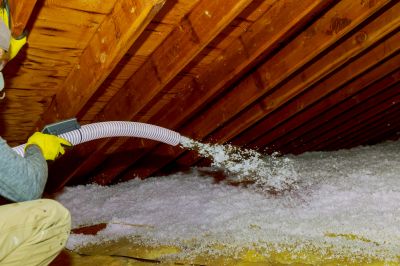
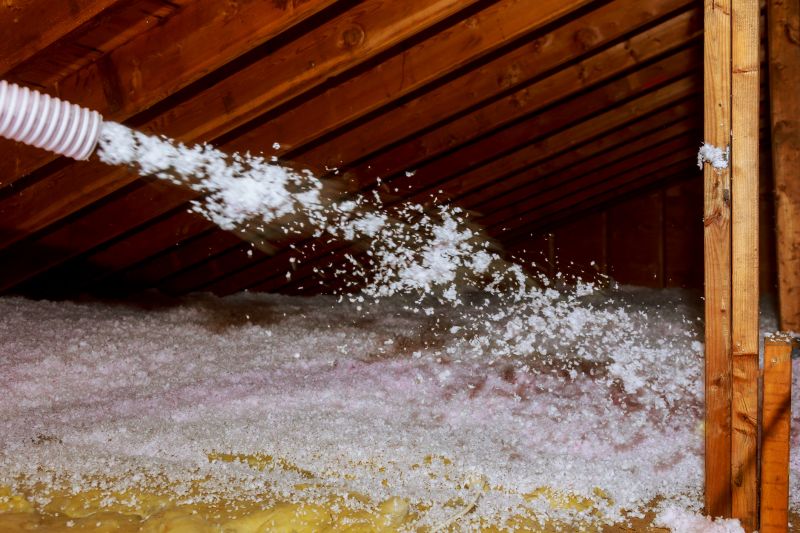
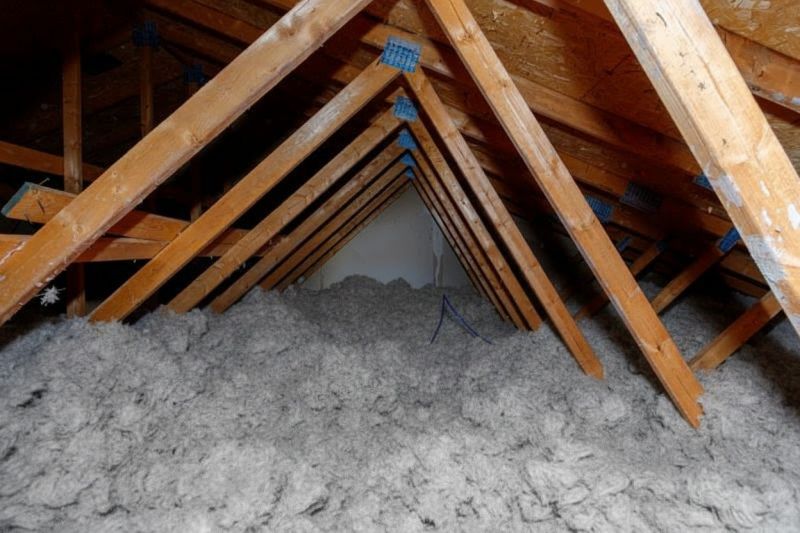
Blown-in insulation services involve the installation of loose-fill material into attics, walls, or other spaces to improve a property's energy efficiency. This process typically uses a machine to blow cellulose, fiberglass, or mineral wool insulation into hard-to-reach areas, creating a seamless layer that fills gaps and voids. The installation is often quick and minimally invasive, making it a practical choice for upgrading existing insulation or adding insulation to spaces that were previously uninsulated.
This service helps address common problems such as high heating and cooling costs, uneven indoor temperatures, and drafts. Inadequate insulation can lead to energy waste, making homes more expensive to heat or cool. Blown-in insulation can also help reduce noise transmission between rooms or from outside sources, creating a more comfortable living environment. Homeowners may consider this service if their current insulation has settled over time, becomes damaged, or if they’re experiencing noticeable drafts or increased utility bills.
Properties that typically benefit from blown-in insulation include attics, wall cavities, and other areas where traditional insulation methods might be difficult or costly to install. It is often used in older homes that lack sufficient insulation or have gaps and leaks that decrease energy efficiency. Additionally, new construction projects may incorporate blown-in insulation during the building process to ensure comprehensive coverage. Residential properties of various sizes and styles can utilize this service to enhance comfort and reduce energy expenses.
Homeowners who notice uneven temperatures, rising energy bills, or drafts may find blown-in insulation to be an effective solution. It is also suitable for those planning renovations or upgrades to improve their home’s energy performance. Local contractors specializing in this service can evaluate specific needs and recommend the appropriate type and amount of insulation. Contacting experienced service providers can help determine whether blown-in insulation is the right choice for a particular property and ensure proper installation for optimal results.
The overview below groups typical Blown In Insulation Service projects into broad ranges so you can see how smaller, mid-sized, and larger jobs often compare in your area.
In many markets, a large share of routine jobs stays in the lower and middle ranges, while only a smaller percentage of projects moves into the highest bands when the work is more complex or site conditions are harder than average.
Smaller Repairs - Typically range from $250-$600 for minor patching or topping off existing insulation. Many routine jobs fall within this middle range, depending on the size of the area. Fewer projects reach into the higher end of the spectrum.
Partial Insulation Replacement - Costs usually fall between $1,000-$3,000, covering larger sections of attic or wall insulation. Local contractors often complete these projects within this range, though complexity can influence the final price.
Full Attic Insulation Replacement - Expect to spend roughly $2,000-$5,000 for complete attic overhauls. Larger, more complex homes can push costs higher, especially if additional work like air sealing is involved.
Whole-Home Insulation Projects - Larger, comprehensive insulation upgrades can range from $5,000 to $15,000 or more. These projects are less common and tend to involve extensive work across multiple areas of a home.
Actual totals will depend on details like access to the work area, the scope of the project, and the materials selected, so use these as general starting points rather than exact figures.
Attic Insulation Installation - local contractors who install attic insulation often use blown-in techniques similar to those used in wall and ceiling insulation projects.
Wall Insulation Services - professionals skilled in blowing insulation into wall cavities can apply similar methods when insulating interior or exterior walls.
Cavity Wall Insulation - cavity wall insulation projects require expertise in blowing insulation into narrow spaces, aligning with the skills used in attic and ceiling insulation.
Soundproofing Insulation - installing soundproofing materials involves similar planning and application techniques as blown-in insulation for thermal purposes.
Attic Ventilation Improvements - enhancing attic ventilation often accompanies insulation projects and requires knowledge of attic space planning and airflow management.
Basement Insulation Services - insulating basement walls with blown-in insulation shares similar tools and planning considerations as attic and wall insulation projects.
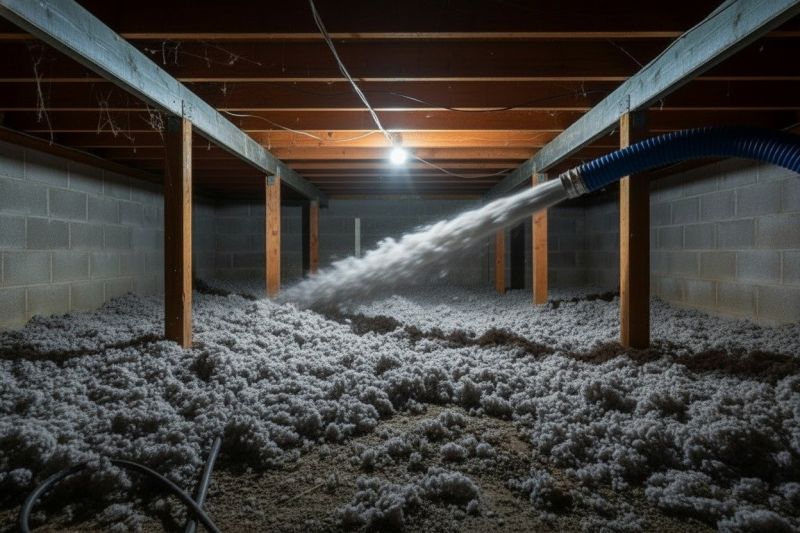
When comparing service providers for Blown In Insulation, it’s important to consider their experience with similar projects. Homeowners should look for local contractors who have a proven track record of handling insulation jobs comparable in size and scope to their own. An experienced professional will understand the nuances of different attic configurations, insulation materials, and installation techniques, helping to ensure the job is done efficiently and effectively. While direct certifications are not the focus here, a contractor’s familiarity with projects like yours can be a good indicator of their capability to deliver quality results.
Clear and detailed written expectations are essential when evaluating potential service providers. Homeowners should seek out contractors who provide comprehensive descriptions of their process, materials used, and what clients can expect from the completed work. Having this information in writing helps prevent misunderstandings and ensures everyone is aligned on the scope of the project. It also allows homeowners to compare how different local contractors communicate their approach and level of professionalism, which can be a key factor in choosing the right partner for the job.
Reputation and communication are crucial elements when selecting a Blown In Insulation service provider. Reputable local contractors are often those who can provide references or examples of past projects, demonstrating their reliability and quality of work. Good communication throughout the process-such as prompt responses to inquiries and clear explanations-can make the experience smoother and more transparent. While the site introduces homeowners to local options, it’s ultimately up to the homeowner to contact and assess these service providers to find those who best meet their needs based on experience, clarity, and responsiveness.
Property owners use Blown In Insulation Service services for practical projects around their homes and businesses. This guide focuses on everyday jobs and straightforward project options.
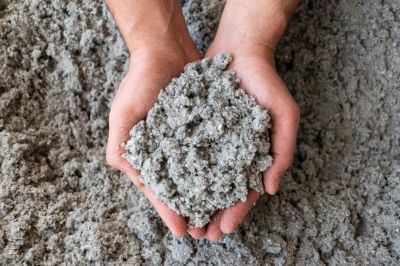
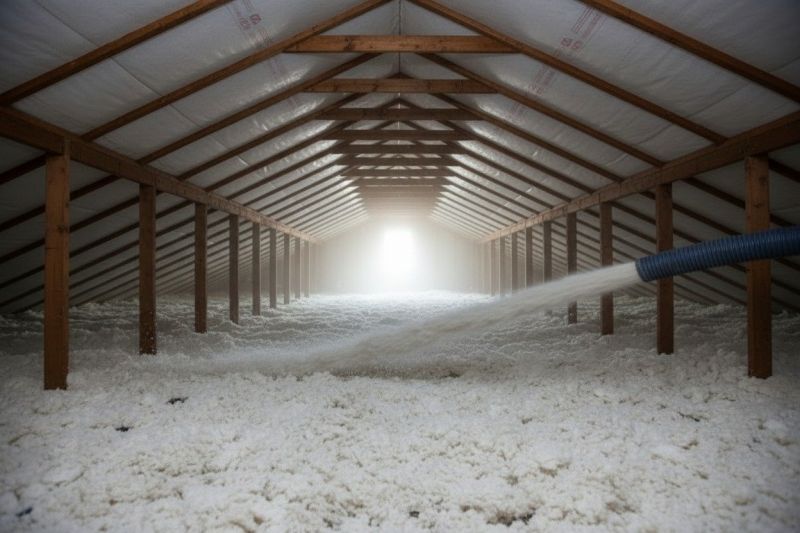
Blown-in insulation services are commonly sought by property owners who want to improve energy efficiency in their homes or commercial buildings. Whether it's upgrading existing insulation to better regulate indoor temperatures or insulating new construction, local contractors can help enhance comfort and reduce energy costs. Homeowners might also look for this work when preparing a property for resale, ensuring the space is well-insulated to appeal to potential buyers.
In addition, property owners often consider blown-in insulation when addressing drafts, uneven heating or cooling, or after experiencing increased utility bills. This type of insulation can be an effective solution for filling gaps and hard-to-reach areas in attics, walls, or crawl spaces. Local service providers are available to assess specific needs and recommend appropriate insulation solutions to help maintain a consistent indoor environment.
What is blown-in insulation? Blown-in insulation is a type of insulation material that is installed by blowing loose fibers into wall cavities, attics, or other spaces to improve thermal efficiency.
Why choose blown-in insulation for my home? Blown-in insulation can effectively fill gaps and hard-to-reach areas, providing a seamless barrier that helps with energy efficiency and comfort.
How do local contractors install blown-in insulation? Professional service providers use specialized equipment to evenly distribute the insulation material into designated areas, ensuring proper coverage and density.
Is blown-in insulation suitable for existing walls? Yes, many local service providers can add blown-in insulation to existing walls through small holes, minimizing the need for extensive renovations.
What types of materials are used for blown-in insulation? Common materials include fiberglass, cellulose, and mineral wool, each offering different benefits depending on the application.
Improve energy efficiency - Blown-in insulation can help property owners reduce heating and cooling costs by enhancing the insulation in attics and wall cavities.
Upgrade existing insulation - Property owners can add blown-in insulation over older or compressed insulation to boost thermal performance.
Seal air leaks - Local contractors can use blown-in insulation to fill gaps and cracks that allow drafts and air infiltration.
Prepare for weather changes - Installing blown-in insulation can help maintain comfortable indoor temperatures during seasonal temperature fluctuations.
If you are thinking about Blown In Insulation Service for a property, this guide is meant to help you understand the work, the typical project types, and how different options might fit your plans.
When you are ready, you can use the quote form on this page to share a few details about your project. From there, local pros can review the basics and respond with options that match what you have in mind.